







Search Results for: latte coffee bean recommendations
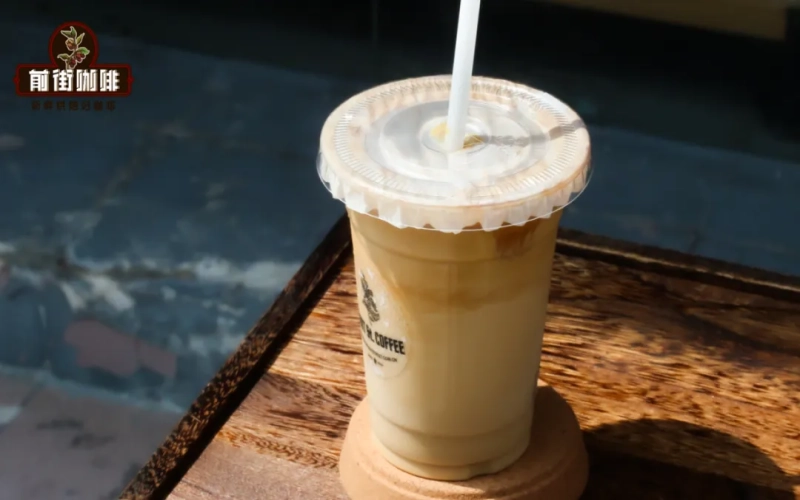
An Analysis of the Meaning and Characteristics of Latte Coffee, with a Caramel Nut-Flavored Latte Recipe and Coffee Bean Recommendations
Latte is the espresso drink with the highest proportion of milk, and many people fall in love with it because of the delicate latte art on the surface and the rich, smooth taste at first sip. But do you really know what a latte is? In Italian, it originally just means "milk," so ordering one could lead to a small misunderstanding. With the spread of espresso machines and steam wands, the modern latte gradually took shape, and in the 1980s Seattle baristas were the first to "paint" the surface with milk foam — this was the prototype of latte art. This article will sort out the definition and history of the latte, give Front Street Coffee's recommended ratio of espresso to milk, and focus on analyzing how different coffee beans shape the flavor direction of iced lattes, while also recommending a variety of Front Street Coffee blends and single-origin beans to help you make a latte that suits your own taste. [more…]
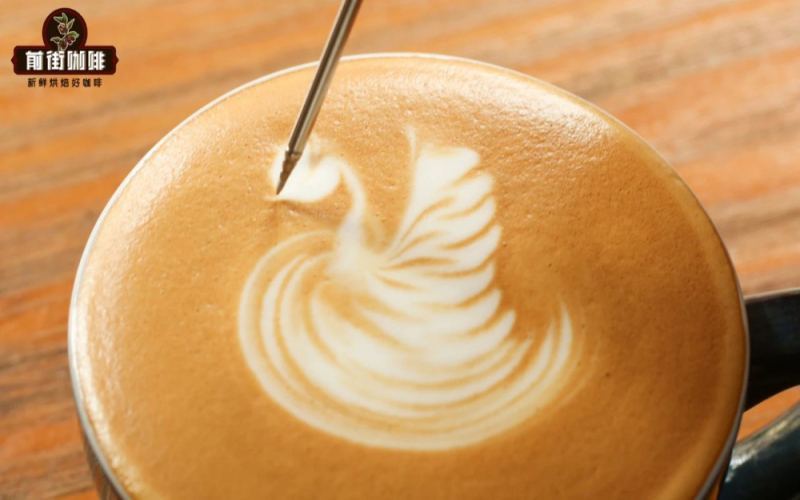
A Complete Guide to Latte Art and Espresso Bean Selection: Crema, Freshness, and Front Street Coffee Blend Recommendations
The charm of a latte lies not only in its rich, mellow taste, but also in the latte art patterns that bloom on its layer of delicate milk foam. To make a latte that delights both the eye and the palate, the choice of coffee beans is crucial: abundant crema, the right roast level, and proper freshness all directly affect the latte art results and the final flavor. This article begins with the origins of latte art, then takes a deep dive into the crema performance of espresso beans, recommends three distinctive beans — Front Street Coffee Commercial Blend, Front Street Coffee Classic Blend, and Front Street Coffee Dark Cocoa Blend — and shares milk pairing, extraction ratios, and bean-resting tips to help you consistently recreate a professional-grade latte at home. [more…]
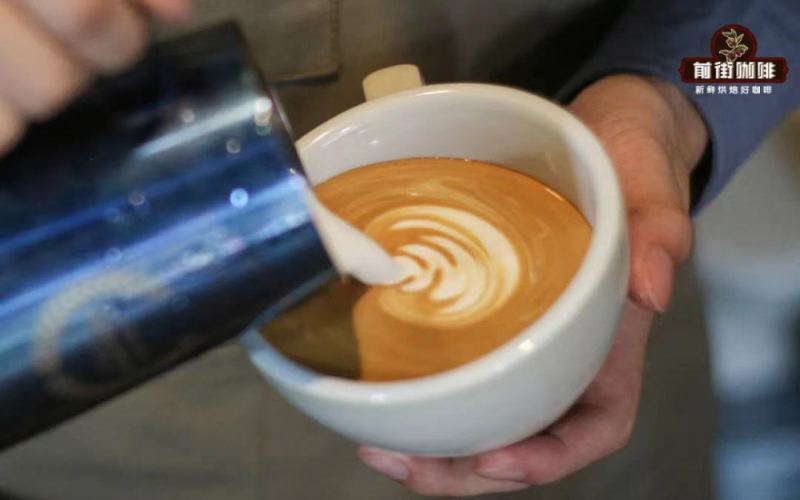
The Historical Origins of Latte Art and Coffee Bean Recommendations for Latte Art
Many coffee enthusiasts are first drawn in by a latte topped with an exquisite pattern. But have you ever wondered where latte art actually comes from? In this article, Front Street will trace the historical thread of latte art, from the invention of early Italian espresso machines, to the heart shape accidentally created by a barista in Seattle, USA, and on to the global spread of latte art techniques. We will also discuss the importance of crema to latte art and recommend a Front Street espresso blend coffee bean suited to latte art, helping you make a milk coffee that is both delicious and beautiful. [more…]
Espresso beans for lattes | What is the key to a delicious latte? How do you make a latte just like a coffee shop? Recommended espresso blend coffee beans perfect for lattes and flat whites
In fact, making a latte doesn't have many key points; just pay attention to a tiny bit of detail, and you can double its deliciousness! So today, Front Street Coffee is here to share how to make a latte at home that tastes just as good as one from a café! 1. Choosing coffee beans Coffee beans are the main controller of a latte's flavor. The roasting of a bean [more…]
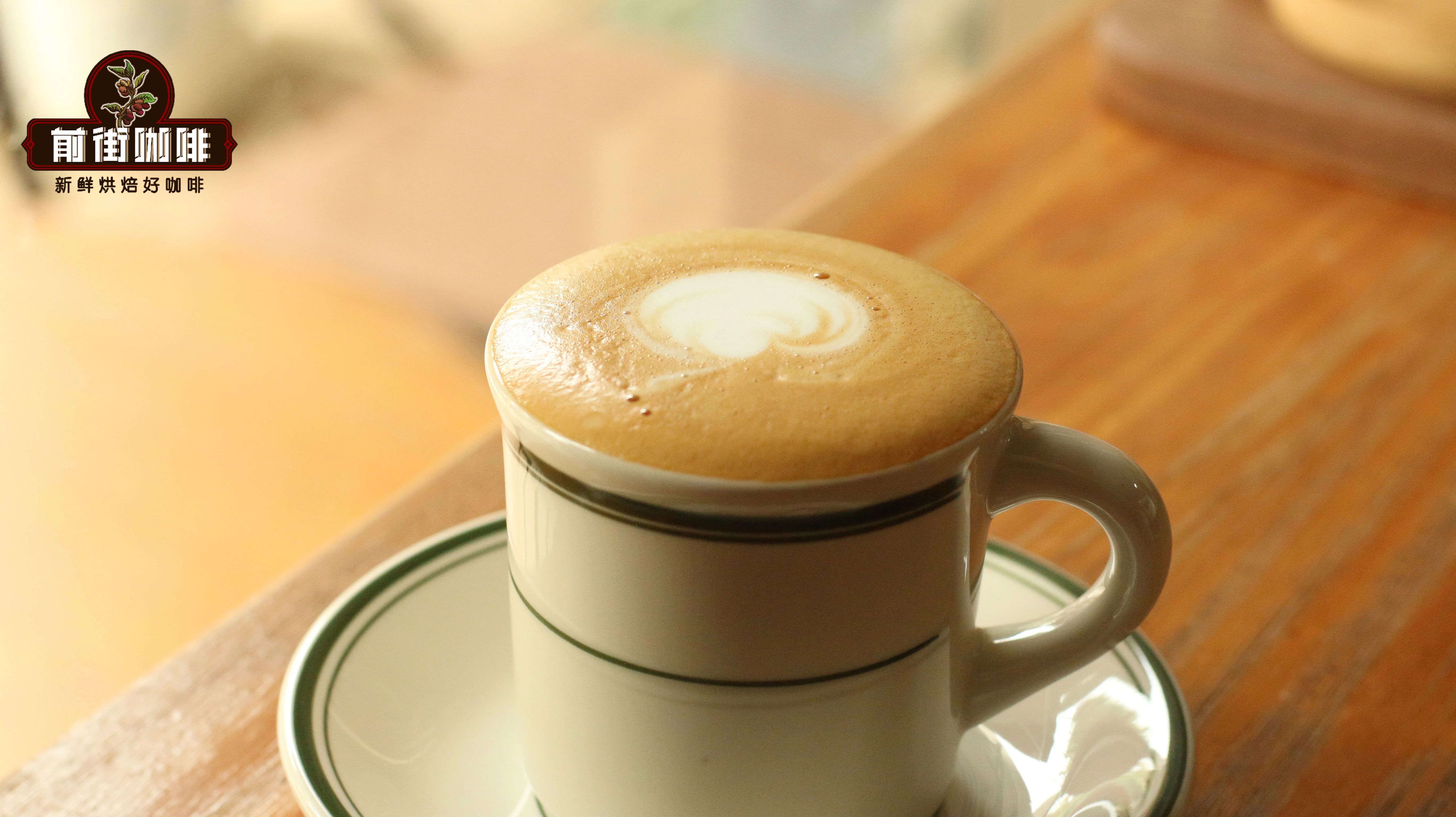
How Much Espresso Is in a Latte? Cappuccino vs. Latte Flavor Differences and Front Street Coffee Espresso Bean Recommendations
Latte and cappuccino are the two most common espresso milk drinks. Both are made from espresso, milk, and milk foam, but they differ noticeably in ratio, foam thickness, and mouthfeel. How much espresso actually goes into a latte? Roughly how much caffeine does it contain? And how should the coffee-to-milk ratio be managed during preparation? This article addresses these questions, while also explaining how to choose espresso beans, extraction parameters, and the key temperature points for steaming milk. It also introduces several Front Street Coffee espresso blends suitable for making lattes, helping coffee enthusiasts create a full-flavored milk coffee at home. [more…]
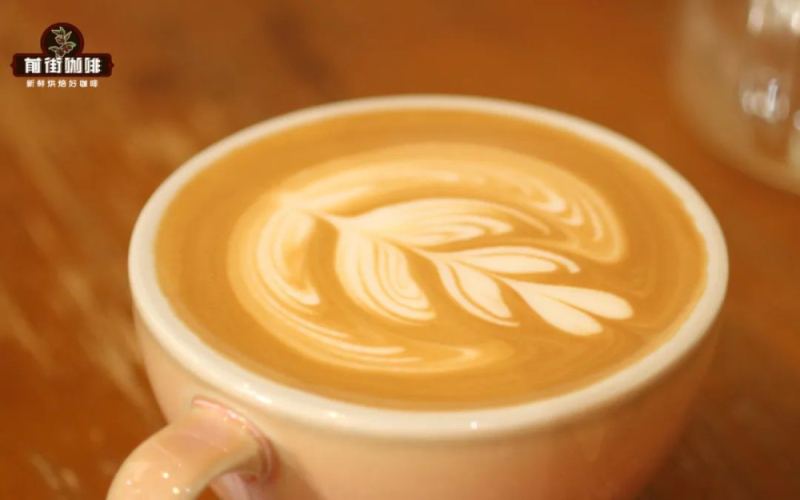
How to Choose Milk and Coffee Beans for Latte? Ratio Recipe and Front Street Espresso Blend Recommendations
Latte is one of the espresso drinks that coffee lovers consume most frequently in their daily routine. The pairing of milk and espresso looks simple, but in reality, everything from bean selection to milk frothing has its finer points. This article centers on latte coffee, first tracing its historical origins, then focusing on what kind of coffee beans to choose when making a latte—medium-dark roasted blends, single-origin SOE beans, or medium-light roasted fruity beans—and what flavor directions each one presents. It then gives Front Street's latte recipe ratio and espresso extraction parameters, and explains step by step the optimal volume for milk frothing, the position of the steam wand, and the key operating points of the two stages: aeration and texturing. Finally, it explains how integration and latte art affect the mouthfeel, while recommending specific products such as Front Street Classic Blend, Dark Cocoa Base Blend, and Queen's Estate SOE. [more…]

Step-by-Step Latte Art Tutorial | What Are the Requirements for Latte Art Coffee Beans? Recommended Specialty Espresso Beans for Milk Coffee
Latte art almost always uses espresso as its base, and when brewing espresso, there are actually tricks to make it more suitable for latte art. So, which kind of coffee beans is more suitable for latte art? Front Street Coffee is here today to give the answer. Recommendations for choosing latte art coffee beans. To make perfect latte art, we first [more…]

SOE Latte | What's the difference between an SOE latte and a regular latte? What are some recommendations for good-tasting, affordable, high-quality SOE espresso beans for making lattes?
In everyday life, you may hear terms like SOE latte or SOE Americano—these simply mean using single-origin coffee to make an espresso base, which is then combined with milk to become a latte or with water to become an Americano. This is a way to distinguish it from traditional blended coffee, and the separate name comes from "single [more…]

A Guide to Pairing Latte with Espresso Beans: Iced vs. Hot Preparation Differences, Extraction Parameters, and Milk-to-Coffee Ratios Explained
Latte is the espresso drink with the highest proportion of milk, available in both iced and hot versions; the two share the same recipe but differ in operational details. From the perspective of Front Street, this article traces the historical origins of latte, explains what roast level of espresso beans should be used to make latte, clarifies why lightly roasted single-origin beans are unsuitable for espresso machine extraction, and recommends several espresso blends such as Front Street. Strawberry Candy Espresso. It also details the extraction parameters for espresso, the frothing techniques and temperature control for hot latte milk foam, the ingredient ratios for iced latte, and Front Street's recommended coffee-to-milk ratio of 1:6.5. Whether you prefer iced or hot, you'll find actionable reference solutions here. [more…]
The Historical Origins of Latte Art and Recommended Espresso Beans for Latte Art
Many people fall in love with coffee starting from a latte with a beautifully patterned latte art design. So, who was the first to create patterns on the surface of coffee? How did latte art evolve from simple hearts and leaves to today's rich and diverse visual presentations? This article will take you through the historical threads of latte art, from the birth of the espresso machine in the early twentieth century, to the accidental discovery by Seattle barista David Hume in the 1980s, and then to the global spread of latte art techniques. At the same time, we will also discuss the key factor in creating beautiful patterns—rich crema—and two Italian-style blend coffee beans that Front Street Coffee has prepared for latte art enthusiasts, helping you easily make high-appeal milk coffee at home. [more…]
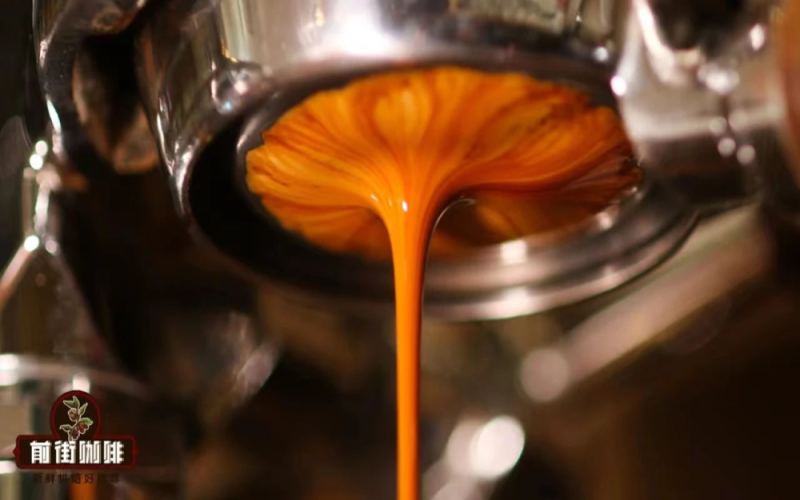
Latte Coffee Ratio | How to Make a Beautiful Latte Art Latte at Home? What Italian Coffee Beans Are Recommended for Espresso Lattes and Americanos
Quite a few friends have asked Front Street Coffee why, even when they use the same beans to make a latte, the taste always differs somewhat from what they drink in the shop. Why is that? First of all, the most traditional explanation of latte coffee is actually milk + coffee (without a fixed type of coffee). Later, the latte coffee introduced by Starbucks is [more…]
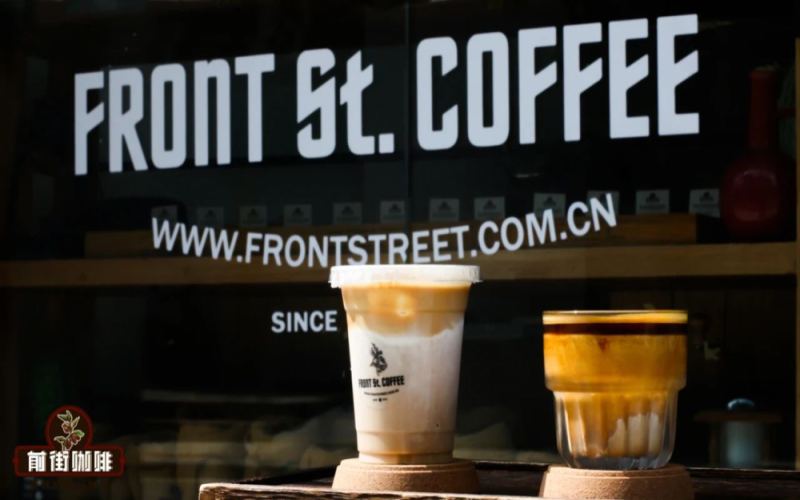
Detailed Guide to Latte Art Techniques: Key Points on Coffee Bean Selection, Milk Frothing, and Latte Art Integration
Latte coffee may seem simple, but it involves multiple steps such as coffee bean roast level, milk frothing, and pouring and latte art. This article traces the historical origins of the latte, analyzes the impact of coffee beans at different roast levels on latte flavor, and recommends several Front Street espresso blends suitable for making lattes. It also breaks down in detail the capacity, position, stages, and temperature control of steaming milk foam, as well as the basic process of pouring and latte art. Whether you are a beginner just starting out or an enthusiast looking to refine your flavor, you will find practical references here. [more…]
What roast level coffee beans should be used for latte? A complete analysis of milk ratios and espresso flavor
Latte and cappuccino are both classic Italian milk coffees, yet the two differ in their ingredient ratios and mouthfeel. Which roast level of coffee beans should a cup of latte actually use? How should the ratio of espresso to milk be balanced? Drawing on the practical experience of Front Street Coffee, this article systematically sorts out bean selection, extraction parameters, and milk frothing key points for latte, and includes recommendations for three popular espresso blends suitable for making milk coffee, while also comparing the production differences with cappuccino, helping coffee lovers reliably recreate a full-flavored milk coffee at home. [more…]
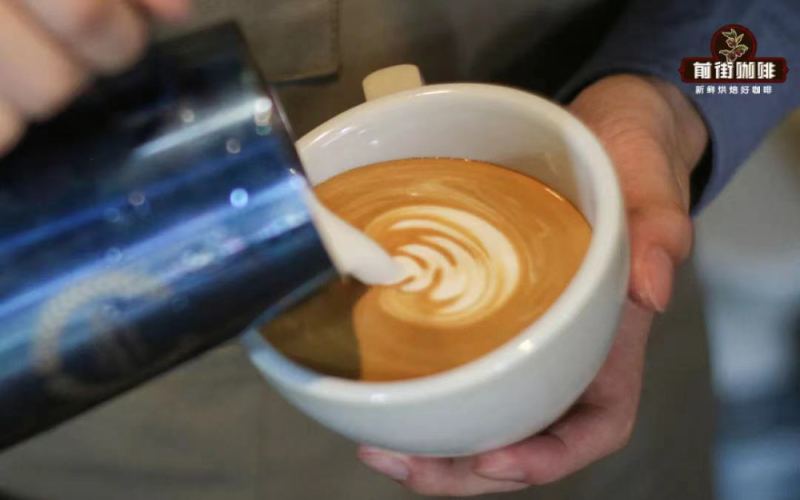
Featured Espresso Blend Recommendations | What Espresso Blend Is Best for Milk Coffee? What Are the Requirements for Espresso Beans in Flat White and Latte?
For more specialty coffee knowledge, please follow our WeChat public account: Front Street Coffee (FrontStreet Coffee). Many people fall into the coffee rabbit hole because of beautiful latte art. After all, whenever you successfully recreate an exquisite pattern, the sense of accomplishment is unmatched. So, do you know [more…]
Making Lattes at Home: Espresso Extraction Essentials, Coffee Bean Recommendations, and a Complete Guide to Milk Ratios
Replicating the latte flavor of a coffee shop at home is actually not complicated. The key lies in choosing the right coffee beans and milk, mastering stable espresso extraction, and then finding the coffee-to-milk ratio that suits your own taste. This article starts with the definition and evolution of the latte, recommends three Front Street Coffee Italian-style blend beans suitable for home use, and breaks down the links one by one around coffee bean freshness, resting period, extraction parameters, and milk coffee ratios. It will also discuss common confusions such as the output gap between home machines and commercial machines, and whether milk foam needs to be steamed, helping coffee lovers make a cup of latte that satisfies them under everyday conditions. [more…]
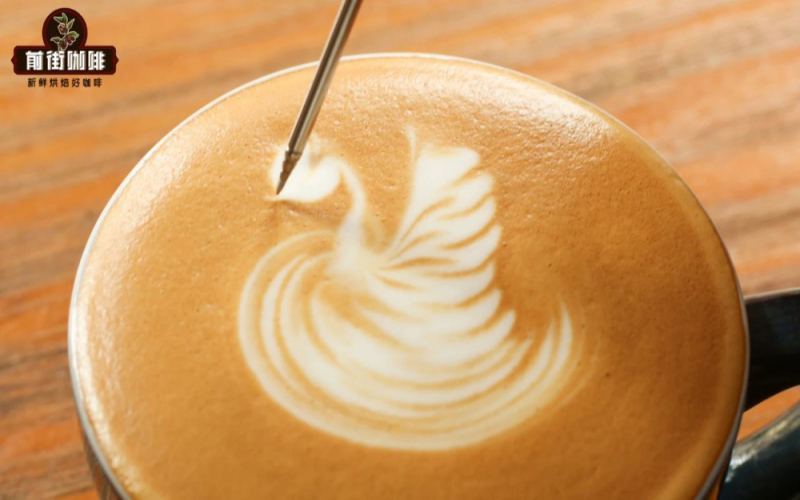
Essential Equipment List for Beginner Latte Art: A Guide from Pitchers to Milk Frothing Tools
Want to learn latte art but don't know which tools to start with? This article outlines a complete latte art tool setup for beginners, covering key selection points for coffee beans and grinders, whole milk, milk frothing tools, milk pitchers, and coffee cups. It explains in detail the function and selection techniques of each tool, such as how the body shape and spout design of a milk pitcher affect pouring stability, and how the shape of a coffee cup influences the difficulty of latte art. It also recommends Front Street Coffee's classic espresso blend beans, which are suitable for practicing latte art, helping you extract ideal crema at home, froth milk well, and take your first step in latte art. [more…]
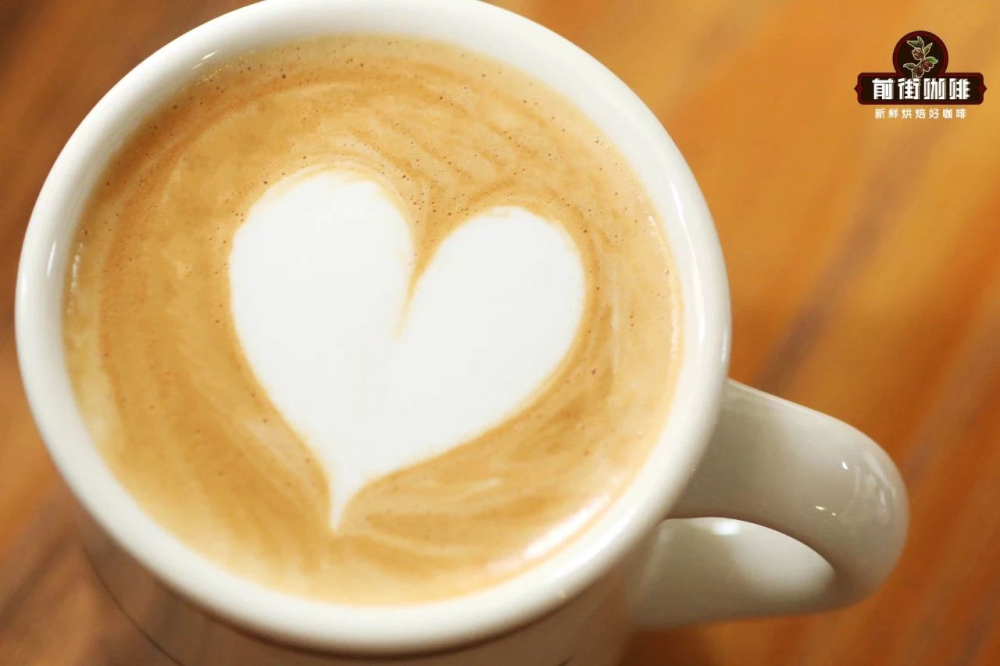
Coffee Beans Specifically for Latte Art | What Kind of Espresso Beans Are Suitable for Latte Art? Step-by-Step Tutorial on How to Make a Heart-Shaped Latte Art
For more specialty coffee knowledge, please follow: Front Street Coffee (Frontsteet Coffee). Latte art almost always uses Espresso as the base, and when brewing Espresso, there are actually tricks to make it more suitable for latte art. So, which kind of coffee beans is more suitable for latte art? [more…]
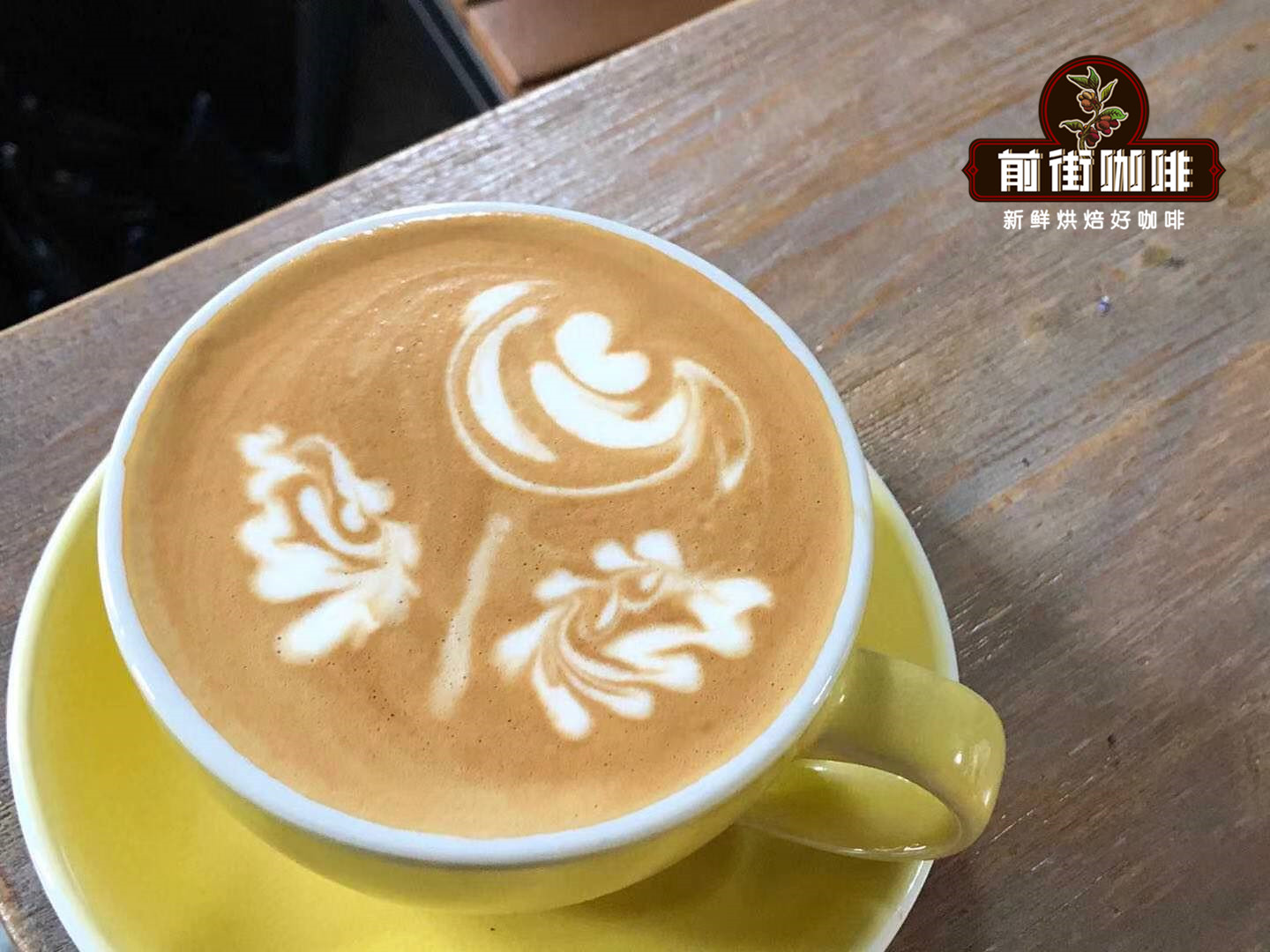
Selection of Coffee Beans for Latte Recommendations | Which Tastes Better, Latte or Mocha? What Are the Differences in Taste, Texture, and Preparation Between Latte and Cappuccino?
At Front Street Coffee, many friends order latte and mocha, two very popular coffees, and the baristas at Front Street Coffee are also very fond of them. But when it comes to the difference between them, many people probably don't know. Front Street tells you: actually [more…]
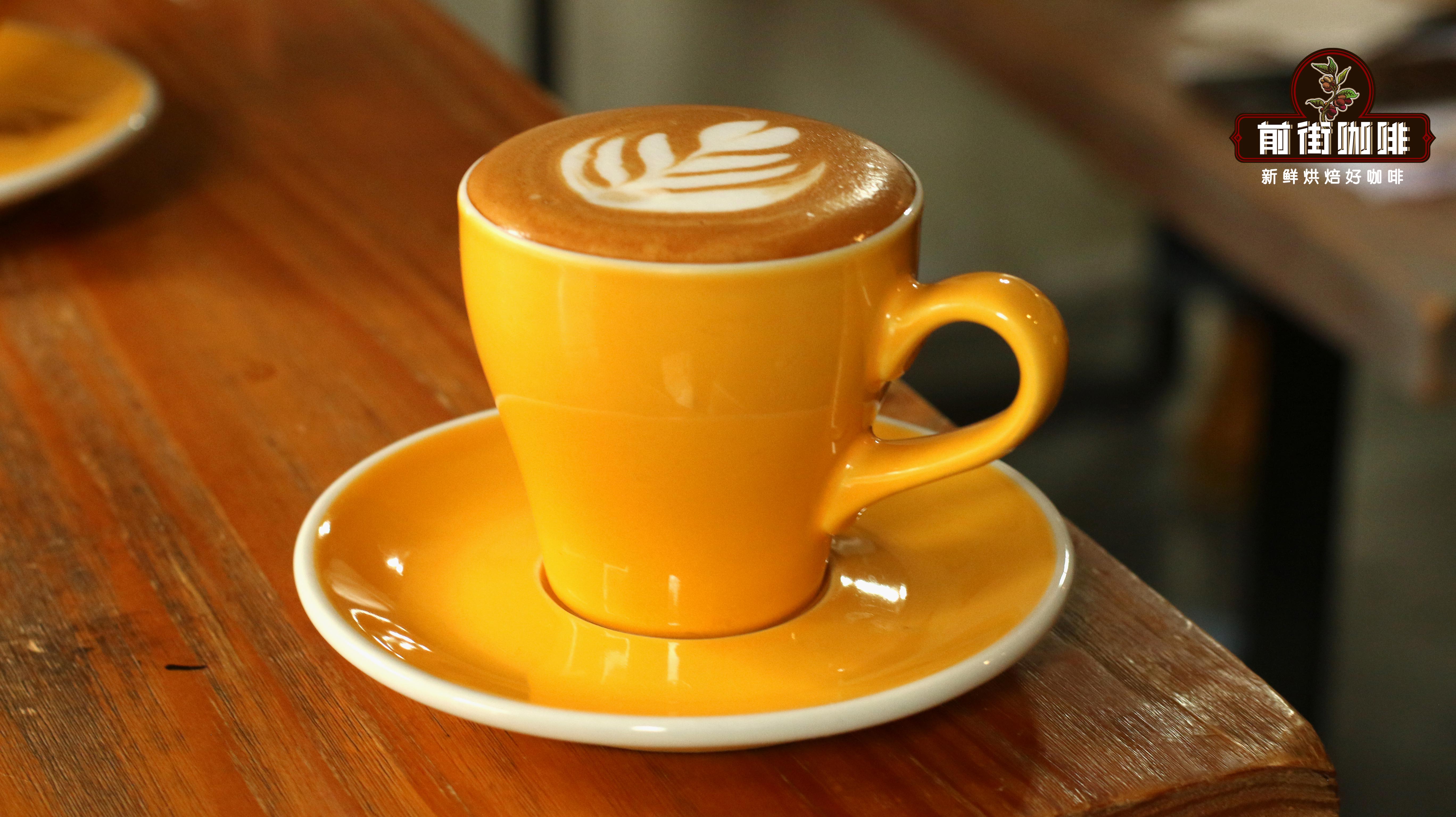
What's the difference between a latte and a cappuccino? A complete guide to the methods, ratios, and caffeine content of Italian milk coffees
Latte and cappuccino are the two most frequently ordered milk coffees on the Italian coffee menu. They share the same ingredients—espresso, milk, and milk foam—but their texture and ratios are quite particular. Drawing on Front Street Coffee's production experience, this article systematically sorts out the definitions of latte and cappuccino, their historical origins, the choice of espresso beans, extraction parameters, milk steaming temperature and foam thickness, as well as their respective recommended ratios and flavor performance. It also answers the common question of how much caffeine a latte contains, helping coffee lovers more clearly choose the Italian milk coffee that suits their taste. [more…]
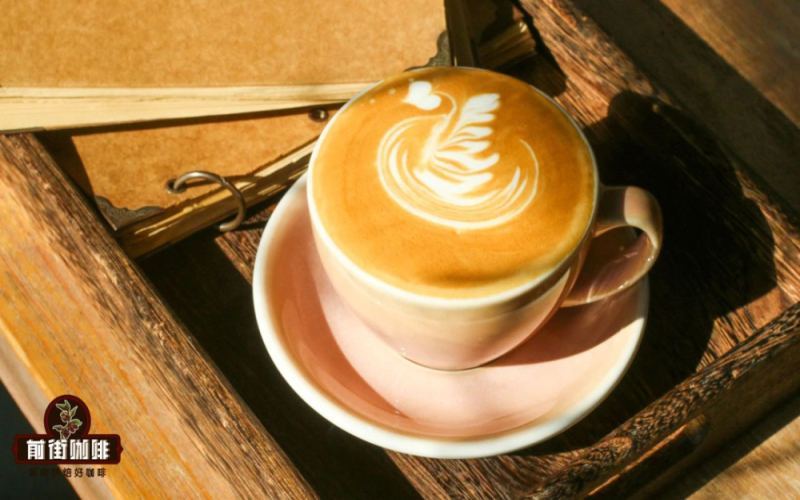
The Standard Latte Preparation Process and an Analysis of the Causes of Bitterness and Sourness in Homemade Lattes
Latte, as a classic fusion of espresso and milk, has won over countless coffee lovers with its smooth and sweet taste. However, many people often encounter the problem of excessive bitterness or pronounced acidity when making it at home. This article will systematically cover the origin and background of latte, the logic behind ingredient selection, espresso extraction parameters, and the ratio plans for both hot and iced lattes, with a focus on analyzing the relationship between coffee bean roast level and flavor direction, and recommend Front Street classic espresso and commercial blend coffee beans to help readers master the essentials of making a balanced and easy-drinking latte. [more…]